Inglês
 中文简体
DOP, or dioctyl phthalate, is one of those materials that rarely gets noticed until a formulation needs flexibility, processability, and predictable performance at a sensible cost. For decades it has been a general-purpose plasticizer in PVC and other polymer systems. If you are reviewing DOP for a new compound, comparing it with alternatives, or simply trying to understand what the abbreviation means on a technical data sheet, this guide walks through the practical basics.
What DOP Dioctyl Phthalate Actually Is
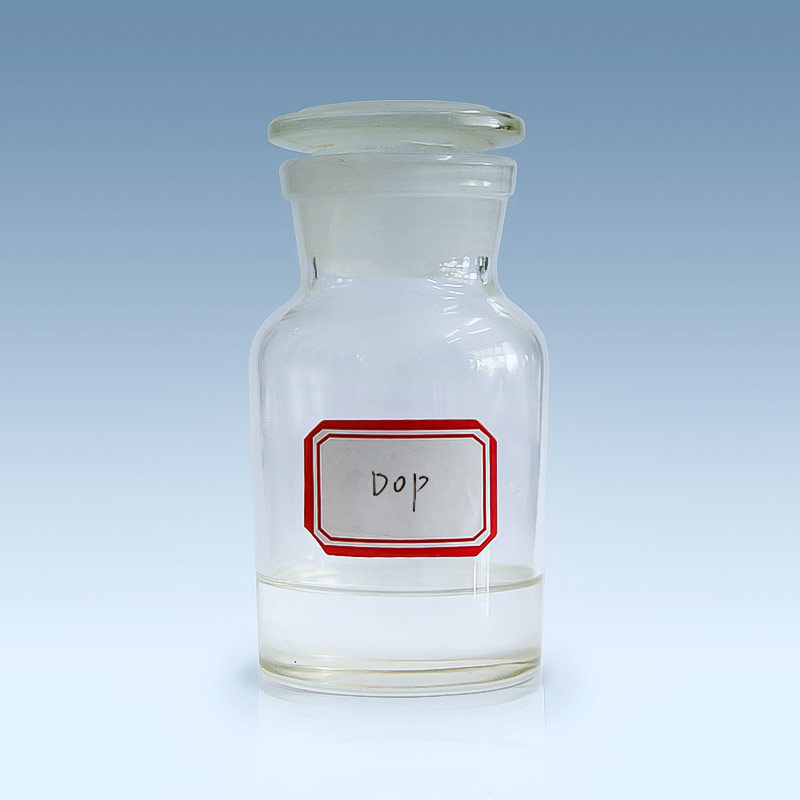
In commercial use, DOP usually refers to bis(2-ethylhexyl) phthalate, the ester formed from phthalic anhydride and 2-ethylhexanol. It is a clear, oily liquid with good compatibility with PVC. The same name is sometimes used for the n-octyl isomer, so the CAS number and isomer should always be confirmed on the specification. This matters when qualifying a raw material for a regulated application or matching an existing formulation.
DOP belongs to the phthalate ester family. Its molecular structure combines a rigid aromatic ring with two flexible alkyl chains. The polar ester groups interact with polymer chains, while the alkyl chains create space between them. The result is a softer, more workable material without changing the polymer backbone itself.
From a procurement perspective, DOP is a mature product with well-established supply chains. It is available in drum, IBC, and bulk tanker deliveries, and most suppliers provide a certificate of analysis with each lot. For formulators, the practical questions are usually about purity, color, acid value, moisture, and batch-to-batch consistency.
Key Properties That Shape Formulation Decisions
Typical DOP properties are shown below. These values are indicative and should be confirmed against the current certificate of analysis, because production tolerances and grade selection can shift the numbers slightly.
| Property | Typical range or description | Why it matters |
|---|---|---|
| Appearance | Clear, oily liquid | Visual check for contamination or water haze |
| Ester content | Typically 99.5% or higher | Higher purity supports consistent plasticizing efficiency |
| Density | About 0.98 g/cm³ at 20°C | Useful for storage, dosing, and bulk transfer calculations |
| Viscosity | About 80 mPa·s at 20°C | Affects pumping, mixing, and plastisol handling |
| Acid value | Usually 0.1 mg KOH/g or lower | Low acid value indicates good finishing and storage stability |
| Moisture | Typically 0.1% or lower | Excess water can cause haze, bubbles, or processing issues |
| Flash point | Generally above 200°C | Relevant to storage and handling risk assessments |
Plasticizing efficiency is another practical measure. DOP is often used as a benchmark because it delivers a good balance of cost, processing behavior, and flexibility. When a formulation needs lower volatility, better permanence, or improved low-temperature performance, that is usually the point where alternative plasticizers enter the discussion.
How DOP Works in PVC and Other Polymers
PVC on its own is rigid because polymer chains interact strongly with one another. DOP interrupts those interactions. Its ester groups associate with polar sites on the PVC chain, while its alkyl chains push the chains apart. This increases free volume and lowers the glass transition temperature, so the material becomes flexible and easier to process.
In dry-blend PVC compounds, DOP is usually added during high-speed mixing at a temperature that allows the plasticizer to be absorbed by the resin particles. The dry blend then goes through gelation and fusion in the extruder, calender, or injection molding machine. The quality of that fusion step has a major effect on mechanical properties, surface appearance, and long-term performance. Typical addition levels depend on the target hardness: flexible PVC may contain roughly 30 to 60 parts of DOP per hundred parts of resin, while semi-rigid compounds use less.
Where DOP Is Used in Practice
DOP is a general-purpose plasticizer, so it appears in a wide range of flexible and semi-rigid products. Common examples include:
- Wire and cable insulation and jacketing, where flexibility and electrical performance matter.
- Flexible PVC films and sheets for packaging, stationery, and industrial covers.
- Flooring, wall coverings, and synthetic leather where good hand feel and processing are required.
- Hoses, tubing, profiles, and gaskets that need to remain pliable in service.
- Plastisols for coatings, dipping, and rotational molding.
- Adhesives, sealants, and rubber compounds where DOP acts as a softener or processing aid.
Not every application is suitable for every phthalate. Products intended for toys, childcare articles, medical devices, or food-contact uses may be subject to specific restrictions in some markets. A technical review should therefore include the destination market, the end-use category, and the current regulatory status of the grade being considered.
Handling, Storage, and Regulatory Awareness
DOP is a relatively stable industrial liquid, but it still needs sensible handling. Store it in closed containers away from direct sunlight, heat sources, and strong oxidizers. Keep drums and tanks clean and dry, and avoid contamination with water or incompatible oils. Good ventilation is recommended in areas where the material is transferred or heated. Personnel should follow the supplier's safety data sheet for gloves, eye protection, and other controls.
Regulatory requirements vary by region and application. DOP is regulated in some consumer and medical uses, and customers increasingly ask for documentation on restricted substances, migration, and environmental compliance. A supplier should be able to provide a current SDS, COA, and declarations for the specific grade. It is also wise to confirm that the product is the intended isomer and that the lot meets the agreed specification.
At our own plant, quality control focuses on consistent ester content, low acid value, controlled moisture, and clear color. Our production experience covers DOP alongside DOTP, DINP, DOA, TOTM, and phthalic anhydride, which helps us discuss practical alternatives when a formulation needs a different balance of properties.
Choosing the Right DOP Grade and Supplier
When qualifying DOP, start with the application requirements rather than price alone. Ask for the specification, SDS, and a recent COA. Check the CAS number and isomer, acid value, moisture, color, and any residual alcohol or phthalic anhydride limits. If the material will be used in a regulated application, request the relevant declarations before running production trials.
Supplier reliability matters as much as the certificate. Look for consistent batch-to-batch quality, clear lot traceability, suitable packaging, and a logistics plan that matches your consumption pattern. Our site is located about 3 km from Jiaxing Port, with road access to major highways in the region, which supports both domestic deliveries and export shipments. We have worked in the plasticizer industry for more than 15 years and serve both sourcing partners and end users.
 DOP Plasticizer for General Soft PVC ApplicationsDOP offers high plasticizing efficiency, stable properties and electrical performance, with drum or tank truck shipping for PVC compounders.View Product →
For a deeper look at our DOP offering and the questions buyers usually ask, you can review why choose our DOP plasticizer and browse the wider plasticizer product range.
How DOP Compares with Other Plasticizers
DOP is often the reference point for general-purpose plasticizing. DOTP, or dioctyl terephthalate, is a common alternative when lower volatility and better permanence are important. DINP, or diisononyl phthalate, offers similar general-purpose performance with a different volatility profile. DOA is chosen when low-temperature flexibility is the priority, while TOTM is used in high-temperature or more demanding applications.
In practice, the choice is rarely about a single property. It is a balance of processing behavior, final hardness, permanence, regulatory status, and cost. A compound that works well with DOP may need only a partial substitution to meet a new requirement, and sometimes a blend delivers the most practical result.
 DOTP Plasticizer for High-Insulation PVC Cable CompoundsDOTP offers low chroma, high flash point, electrical and extraction resistance, and can blend with DOP to reduce plastisol viscosity.View Product →
 DINP Plasticizer for Durable PVC and Cable ApplicationsDINP offers good PVC compatibility, high plasticizing efficiency, and better insulation, cold resistance and durability than DOP.View Product →
If you are comparing options, define the must-have properties first, then run a small trial rather than relying on datasheet comparisons alone. Plasticizer response can vary with resin grade, filler loading, stabilizer package, and processing conditions.
A Practical Closing Note
DOP remains a dependable general-purpose plasticizer because it is well understood, easy to process, and widely available. The key to using it well is to confirm the exact grade, understand the regulatory context, and validate performance in your own formulation. Whether you are maintaining an existing PVC compound or evaluating a change, a clear specification and a reliable supply partner make the technical work much simpler.
We are always happy to discuss the practical details, from property data and handling questions to packaging and delivery. If you are planning a trial, send us your target application and specification, and we will help you narrow down the most suitable grade.